
For trade unions, this is not a peripheral issue. It is about jobs, social access to mobility, liveable cities and decent working conditions. The future of mobility must be collective, public and social, or it will not be sustainable.
First and foremost, mobility must remain a right and must not become a privilege. The climate transition will only win broad public support if everyone retains access to affordable and high-quality ways of getting around. Public transport must therefore be not only sustainable, but also frequent, accessible, affordable and available in every region. Green mobility that excludes large groups of people is not progress; it is a new form of inequality.
Public Transport Is Not A Cost, But Collective Wealth
Too often, public transport is treated as an expense that has to be ‘optimised’. In practice, that usually means cuts, privatisation and flexibilisation. But structural investment in public transport is simultaneously an investment in climate policy, social inclusion and employment. A high-performing network reduces emissions and congestion, expands access to mobility for people with no alternative, and creates thousands of stable, high-quality jobs. Public transport is therefore not only an ecological choice, but an economic and social investment too.
An electric bus without a driver, without planning and without maintenance is not a solution. Sustainability requires people, structures and guarantees. Public transport is a collective service, not a market product.
That is precisely why decisions about mobility cannot be left exclusively to consultants, investors or political offices. Sustainable mobility policy requires the democratic involvement of both workers and users in the planning, organisation and evaluation of mobility systems. Workers have unique practical experience, while users face the consequences of policy choices every day. Trade unions must therefore be at the heart of every discussion about the future of mobility.
Sustainable Logistics Requires Structural Choices
The growth of e-commerce, just-in-time distribution and international goods flows is creating enormous logistical pressure. Unless we reform the system both ecologically and socially, every efficiency gain will come at the expense of people and the planet.
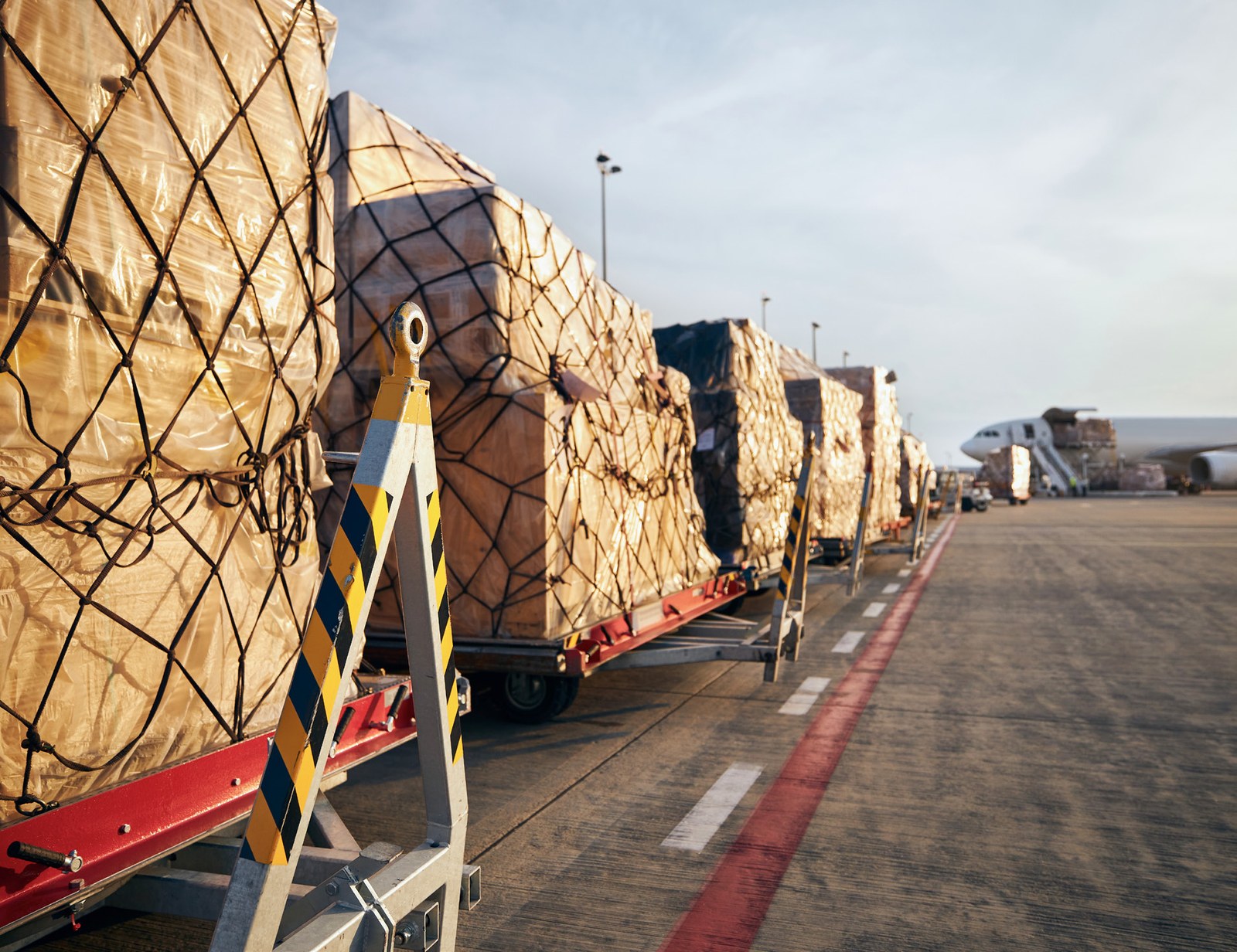
Sustainable logistics requires a fundamental rethink of how goods are transported. More freight must shift to rail and inland waterways, while urban distribution can be organised more intelligently through logistics hubs and low-emission solutions for the last mile.
At the same time, clear rules on night work, shift work and workload must remain in place, so the search for efficiency does not once again come at workers’ expense. New e-commerce players must follow the same social rules as the rest of the sector. Green logistics without social protection is not sustainable logistics.
This also requires a fundamental reorganisation of goods flows. For decades, logistics has been organised almost exclusively around speed and price. A sustainable future calls for a different approach, with better coordination between rail, inland waterways, road transport and urban distribution.
Multimodal transport systems can not only reduce emissions, but also contribute to a more efficient and socially responsible organisation of mobility and logistics.
It also means that the true cost of transport must be reflected in prices. Transport is so cheap today - partly because social dumping is rife in the sector - that greening and a just transition are denied a fair chance. If drivers from Eastern Europe can be deployed in Western Europe without receiving Western European wages and working conditions, then a race to the bottom is being organised. That is not a free market. The fight against social dumping is not only a social struggle; it is also a struggle for a just transition.
Employment As A Lever For Climate Justice
Public transport and logistics are labour-intensive sectors. That is not a disadvantage; it is an asset. Every euro of public investment creates jobs, economic activity and social added value.
Invest in public transport and you get affordable mobility, lower CO emissions and stable employment. But govern2ments must then choose public direction, integration and social guarantees - not outsourcing, price pressure and a race to the bottom.
Mobility Is A Right, Not A Privilege
In a green society, mobility is not privatised, fragmented or sold to the highest bidder. It is a society in which everyone can move around without sacrificing the planet or themselves.
Public transport and logistics are pillars of climate justice, but only if they are publicly directed, socially anchored and protected by strong trade union involvement.
More than ever: together. For mobility that moves people forward without leaving the world behind.