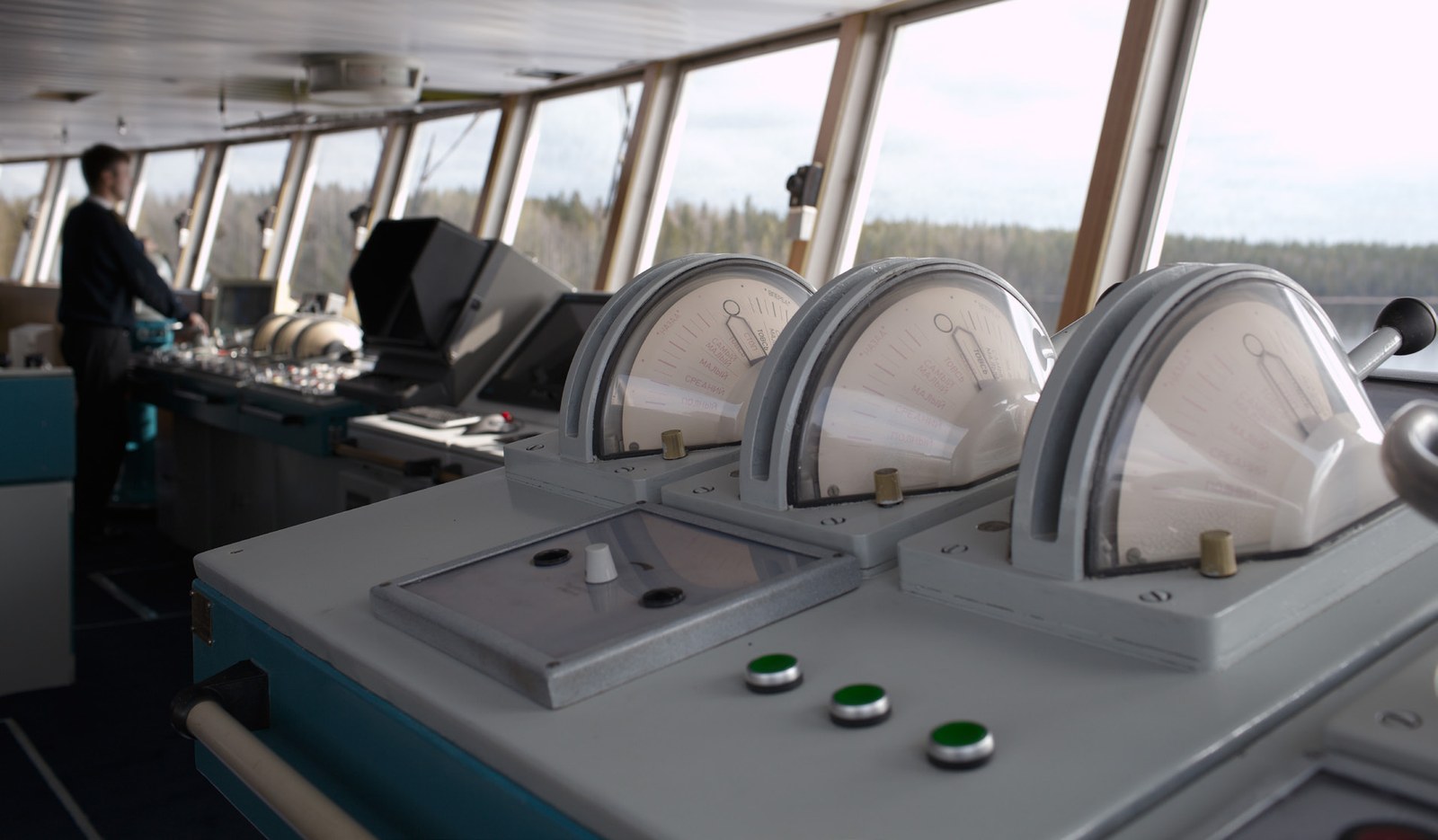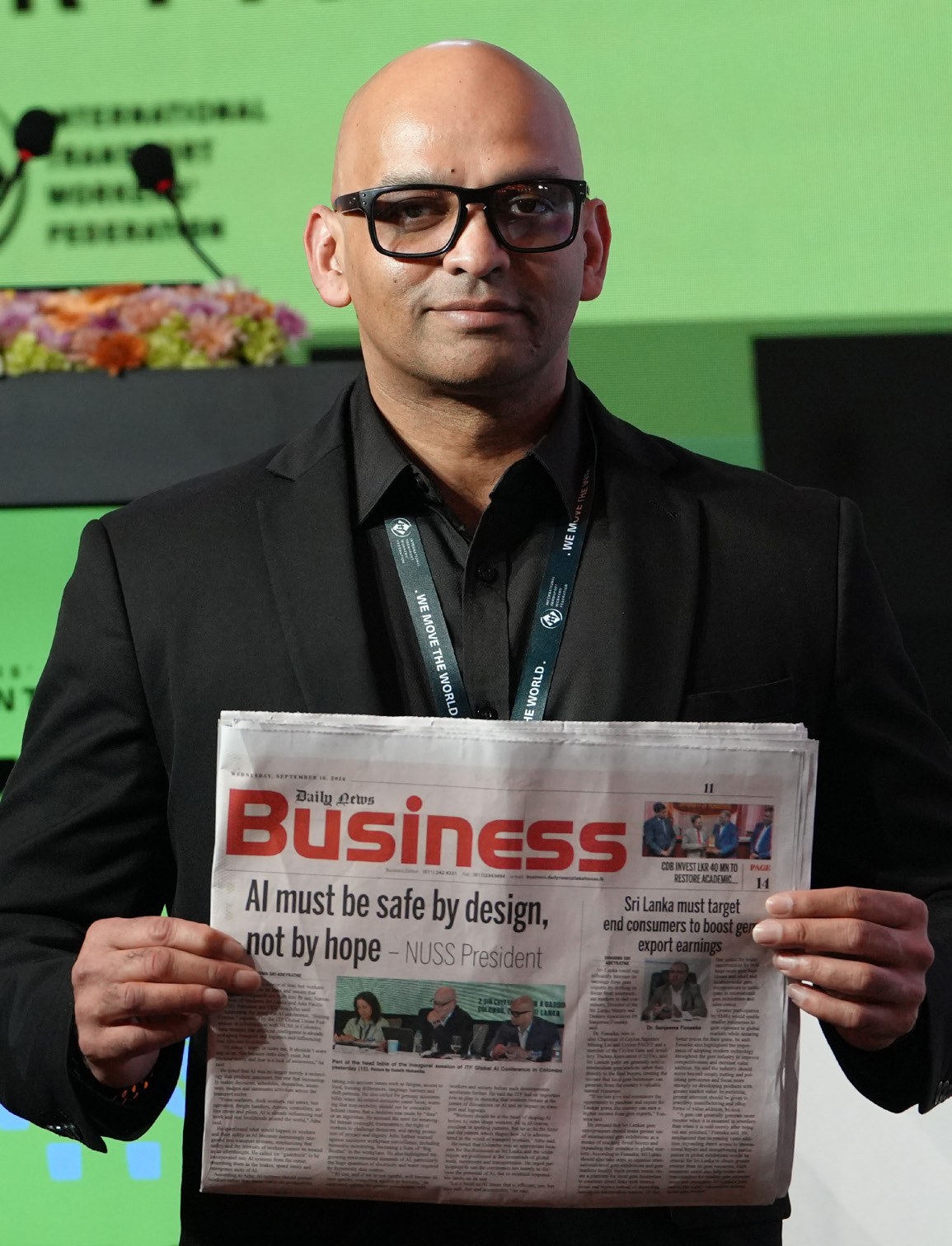
AI is already present in ports, on ships, in warehouses, at airports and in road and rail transport. Systems schedule work, analyse performance, predict failures and increasingly take decisions that were once made by people. That can make work safer and more efficient, but only if we build clear limits in from the outset.
If AI is the engine, we also need brakes, speed limits and emergency exits. Safety cannot be something we add afterwards when things go wrong. It has to be part of the design.
Human oversight therefore remains essential. An algorithm does not always know the circumstances in which someone works. It does not understand fatigue, unexpected situations, language problems or the thousands of small human factors that affect every working day. When a system takes a decision with consequences for safety, pay, work or a career, a worker must be able to understand and challenge that decision.
Responsibility must also remain clear. Companies must never be able to hide behind the statement that ‘the algorithm decided’. Technology does not bear responsibility. The people and companies that develop, purchase and deploy it do.
The same applies to privacy. Artificial intelligence enables ever more far-reaching monitoring, from cameras and location data to biometric systems and behavioural analysis. Technology originally introduced for safety can later also be used to measure productivity or monitor workers. Workers therefore need to know what data are collected, why, who has access to them and how long they are retained. Privacy and human dignity are not obstacles to innovation, but fundamental labour rights that must remain protected in a digital working environment.
We must also recognise that AI has not only a digital footprint, but a material one. Large data centres consume enormous quantities of electricity and water. As artificial intelligence is deployed on an ever larger scale, that pressure increases. In regions where energy or water are scarce, this can create new social tensions. Technological progress cannot be called sustainable if it consumes essential resources without taking account of workers, local communities and the environment.
That is precisely why trade unions must be present before systems are introduced, not only once the consequences become visible.
Workers must be involved in the design, introduction and oversight of AI. Agreements on safety, human oversight, privacy, transparency and the use of data must be enforceable. This also requires international cooperation. Transport companies and technology companies operate across borders, and systems tested today in one port or airport can be rolled out worldwide tomorrow.
The international trade union movement must therefore help write the rules itself.
We do not need to stop artificial intelligence, but we do need to determine the conditions under which it is used. Workers must not become spectators of the technological transformation of their own work. They must be co-authors of the rules governing how that technology is deployed.
AI can make transport safer, more efficient and more sustainable. But only if it is also used fairly, transparently and responsibly. The question is therefore not whether artificial intelligence will be part of the future of work. The question is whether we have enough courage today to set the boundaries within which that future will take shape.