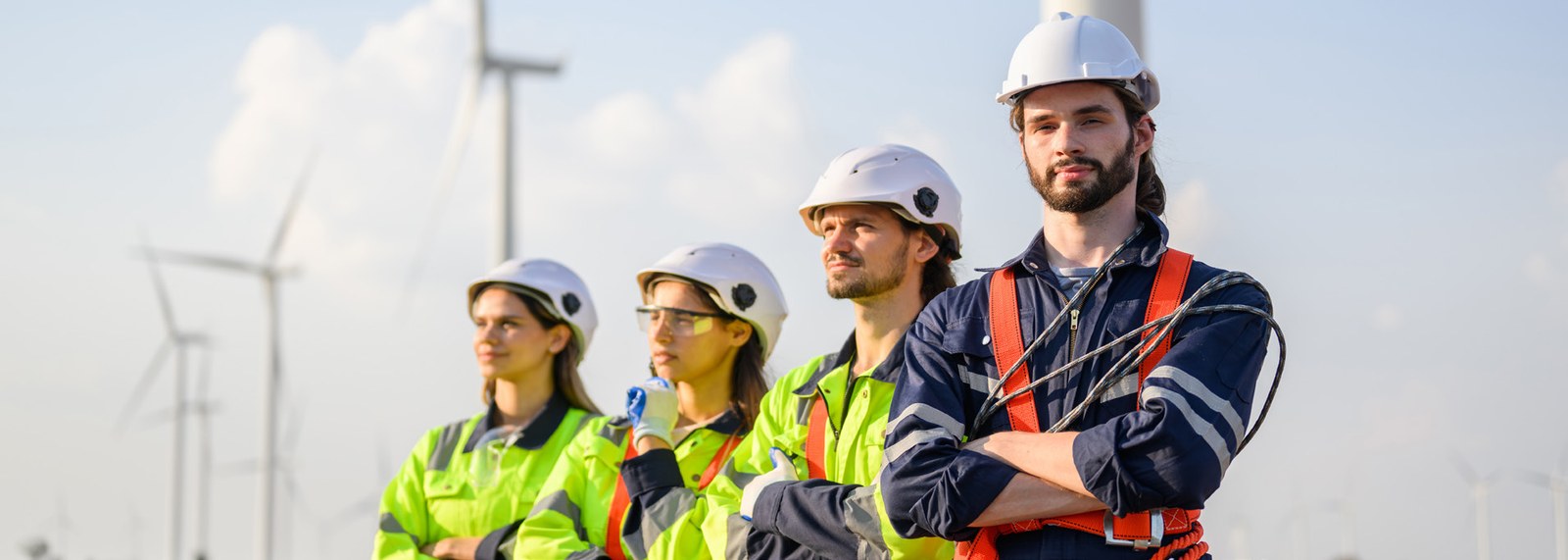
A climate transition without social justice is doomed to fail. Trade unions can ensure that justice does not become a footnote, but the heart of every climate plan. Workers are not the problem in the climate crisis; they are essential to the solution.
Initiatives such as Klimaatkameraad (https://klimaatkameraad.be), an initiative of the Flemish ABVV in Belgium, show how the trade union movement is already working actively towards a socially just climate transition. Not from guilt or moralism, but from solidarity and collective responsibility. The central message is simple: ecological progress can only be sustainable if it also means social progress.
That means investing in good public transport instead of making individuals personally responsible for mobility. It means affordable, energy-efficient housing instead of climate policy that increases energy poverty. It means industrial greening accompanied by job security, training and social dialogue, rather than dismantling entire sectors without offering workers any prospects.
Trade unions can play a crucial role at workplace level. Through collective bargaining, workers can be involved in decisions on energy policy, mobility, safety, training and sustainable production processes within companies. Climate policy must not be a top-down exercise that workers are simply expected to endure. Workers have practical knowledge, experience and expertise that are essential to a successful transition. At company level, trade unions can ensure that climate targets are not separated from working conditions.
Climate-related collective agreements and agreements on energy use, training, job security and the introduction of new technologies make it possible to link ecological ambition to social guarantees.
The workplace is often where climate policy is actually implemented, and therefore where workers must have a say.
An active trade union role is equally necessary at sector level. Greening transport, logistics, energy and industry requires agreements that go beyond individual companies.
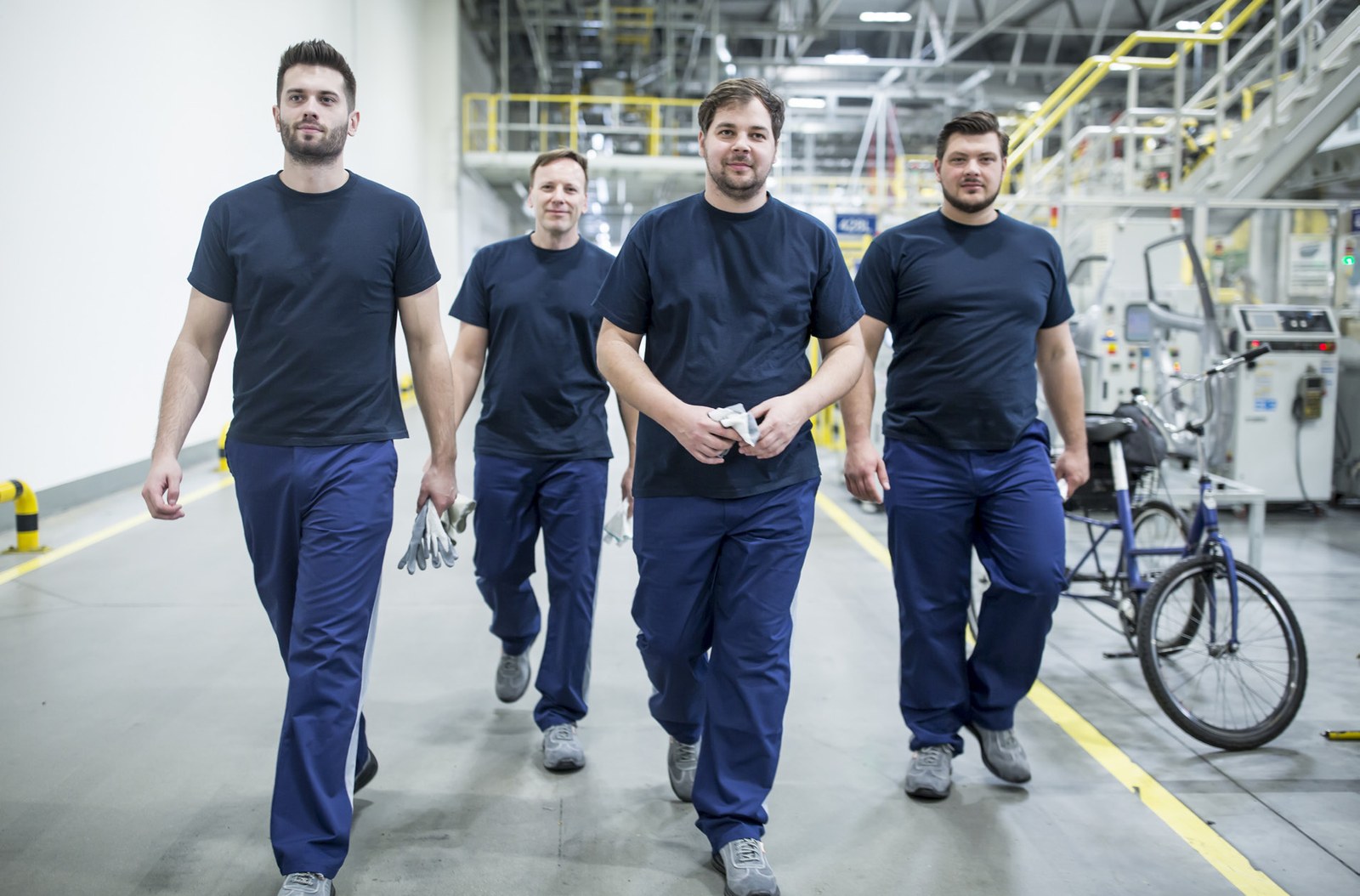
Sectoral collective agreements can establish social minimum standards for new activities, guide sustainable investment and prevent companies from competing through social dumping under a green banner.
At the same time, trade unions must be prepared to argue for structural choices: strong public investment, renewed priority for rail and public transport, and international climate solidarity; taxation of major polluters and extreme wealth; and an economy in which sustainability matters more than short-term profit.
Ultimately, the climate crisis is not merely a technological problem. It is a social and democratic challenge as well. That is precisely why trade unions have a historic role to play in this transition: as defenders of workers, but also as a driving force for a fairer society.
From Resistance To Co-decision
The time when protest alone was enough is over. We must demand a seat at the table when decisions are taken - on legislation, investment plans, reforms and restructuring. When the future is being built, the voice of the working class must be heard. We are not against change; we are against change without us.
That also means trade unions must claim an active role in national climate and transition policy. Legislation on retraining, job security, social protection and financing the climate transition must not be developed without workers’ organisations. A just transition requires social dialogue at the highest political level. And it also means we must be well prepared: with evidence, proposals and concrete demands.
Five Conditions For Trade Union Climate Policy
Trade unions can make the difference if we build our approach around five basic principles:
Social conditions attached to every climate measure. No subsidy without a collective agreement. No tax advantage without job security.
Collective bargaining rights in new sectors. No exemptions for green start-ups or tech companies.
Investment in public services. Not market logic, but social planning.
A say in retraining pathways and job guarantees. No 'reintegration' without choice and protection.
International coordination through the ILO, ITUC, ETF and ITF. No race to the bottom between countries or sectors.
COP, The EU, The Green Deal And The Fight For A Just Transition
At the annual UN climate conferences (COP) and within the European Green Deal, decisions are being taken today that will shape the future of work, mobility and industry for decades. Yet workers’ voices still risk being drowned out by those of governments, companies and technocratic institutions.
Workers will be among those who feel the effects of the climate transition most strongly. In transport and logistics, ports, aviation and industry, not only technologies but also working conditions, skills requirements and employment are changing. Climate decisions must therefore not be left exclusively to policymakers, lobby groups or multinationals.
International trade union organisations are increasingly determined to place workers’ voices on the agenda. In its COP Pledge (https://www. itf-oecd.org/cop30), the International Transport Workers’ Federation (ITF), for example, stresses that climate policy can only succeed when workers are actively involved in decision-making and when social protection, training and quality jobs form an integral part of the transition.
Within Europe, the European Transport Workers’ Federation (ETF) has defended the same principle for years. The federation supports the greening of transport, but opposes climate policy that hands the bill to workers. According to the ETF, the transition can only succeed if it is accompanied by investment in rail, public transport, sustainable ports and green logistics, combined with strong guarantees on training, reskilling, social protection and collective bargaining.
This brings us to a fundamental choice. The challenge is not only how quickly we go green, but also who controls the transition and who benefits from it. Climate policy that focuses exclusively on emissions reductions and technological innovation risks losing public support when workers become uncertain about their income, their jobs or their future.
That is why trade unions around the world defend the principle of a just transition: a climate transition driven not by blind market logic, but by democratic choices, social dialogue and public investment. The supposed conflict between climate and jobs is a false dilemma. Without ambitious climate policy, workers will experience the consequences of climate change directly. But without social justice, support for the transition will disappear too.
Trade unions must therefore be present at every level of the climate debate: local, national, European and global. Not as symbolic consultation partners, but as full actors negotiating the future of work, mobility and society. The climate struggle is also a struggle for social justice.
We must move from the margins to the centre. From influence to participation.
A Just Transition Starts With Trade Union Presence
Without us, there is no future that works for everyone. Trade unions are the only organisations that structurally defend workers’ interests in the climate struggle. We cannot hesitate or wait. We must not ask, but demand the right to negotiate, decide and build a world that is more sustainable, fairer and more humane.
More than ever: together. For climate justice that is not preached, but negotiated.