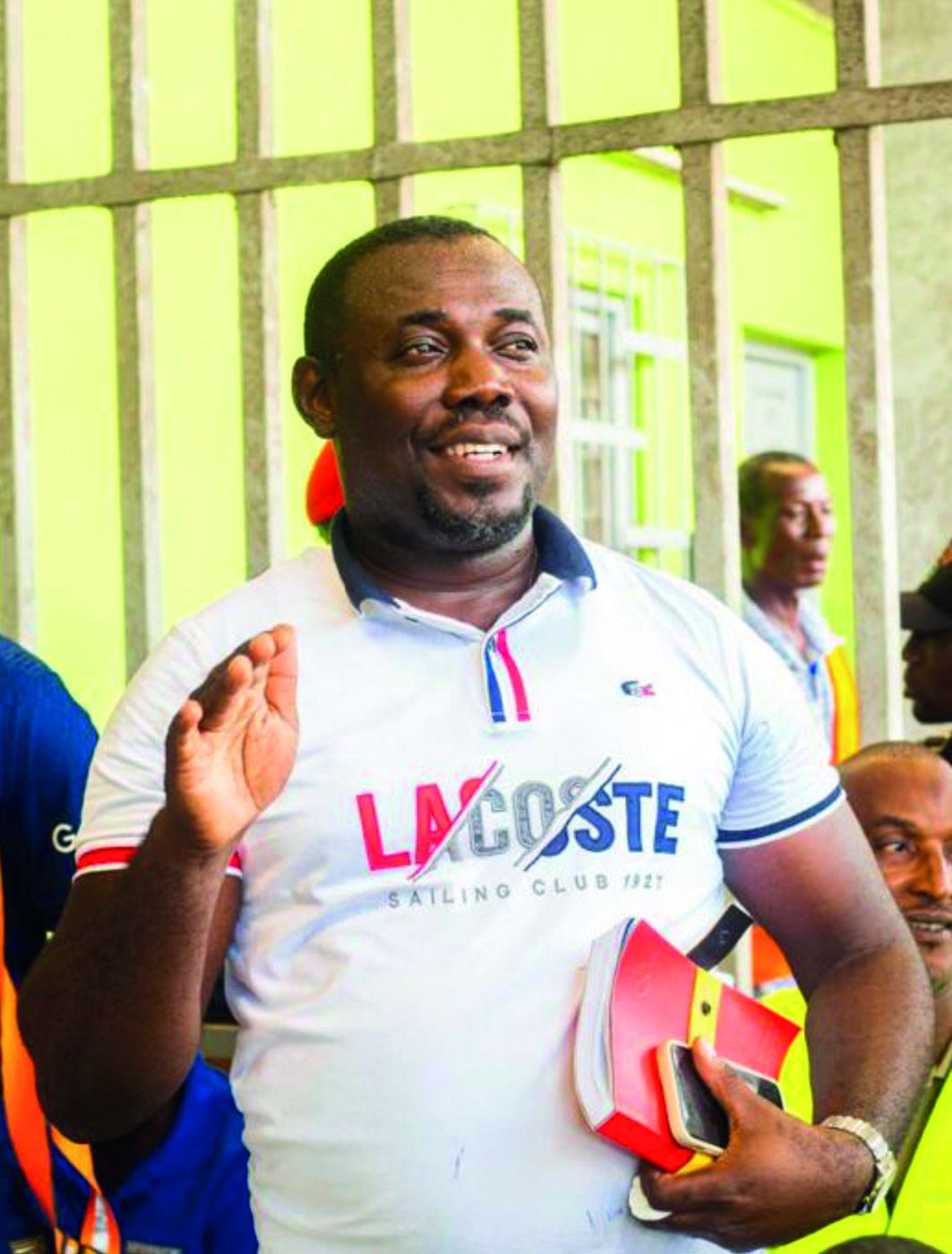
At the same time, this is more than a testimony about one country or one port. It is a concrete example of how local trade union struggle and international cooperation can reinforce one another. When workers are not heard sufficiently at national level, the international trade union movement can help amplify their voice, bring new parties to the table and get stalled dialogue moving again.
International solidarity is not an abstract concept for dockworkers. When social dialogue in a country breaks down and employers refuse to comply with legal agreements, international cooperation can make the difference. The struggle of dockworkers in Côte d’Ivoire shows why the global trade union movement remains essential.
On 30 January 2019, the President of Côte d’Ivoire signed a decree introducing a special status for dockworkers. The text was officially published and entered into force. Yet years later, it is still not actually being implemented. As a result, thousands of dockworkers remain deprived of social, professional and human rights that have been granted to them by law. Despite repeated interventions by the Collectif National des Dockers pour la Defense de leurs Droits, CNDD, and the unions concerned, little progress has been made on the ground.
The failure to implement the decree is not the only problem. The sectoral collective agreement expired in June 2025. Yet the employers’ organisation SEMPA, the Syndicat des Entrepreneurs de Manutention du Port d’Abidjan et de San-Pedro, refuses to open genuine negotiations on a new agreement. For dockworkers, this means their rights and working conditions remain uncertain while the employers’ side unilaterally maintains the existing situation. According to the unions, the employers’ organisation is also strongly influenced by the multinationals operating in Ivorian ports. This places ever greater pressure on the permanent social dialogue that is also encouraged by the national authorities.
Working Without Sufficient Protection
The consequences for dockworkers and their families are severe. Port work is dangerous. Every day, workers risk becoming the victim of an occupational accident or another incident directly related to their work. Yet proper support and assistance are often lacking when something goes wrong. Dockworkers who suffer an accident at work cannot always rely on adequate medical, social or financial support.
The healthcare system for dockworkers also faces serious problems. According to the unions, their own health insurance scheme is controlled by the employers’ organisation, without sufficient transparency about how it is managed. At the same time, problems with access to medical care continue to accumulate. Not only dockworkers themselves, but their families too, suffer the consequences. There are too few accessible medical facilities with the necessary technical equipment. As a result, the care workers should be able to rely on often remains inadequate.
The dockworkers have now established a new mutual insurance organisation, MUDOCK-CI. But cooperation with the employers’ side is difficult here too. The lack of cooperation in getting the organisation up and running creates yet another obstacle to social dialogue between the social partners.
Turning To The International Trade Union Movement
When dialogue at national level remains deadlocked, international solidarity becomes crucial. At the meeting of the ITF Dockers’ Section in Rotterdam from 11 to 15 May 2026, I had the opportunity to present the situation of Ivorian dockworkers to the international trade union family. As the representative for Francophone Africa on the World Committee of the ITF Dockers’ Section, I asked for support to increase the pressure.
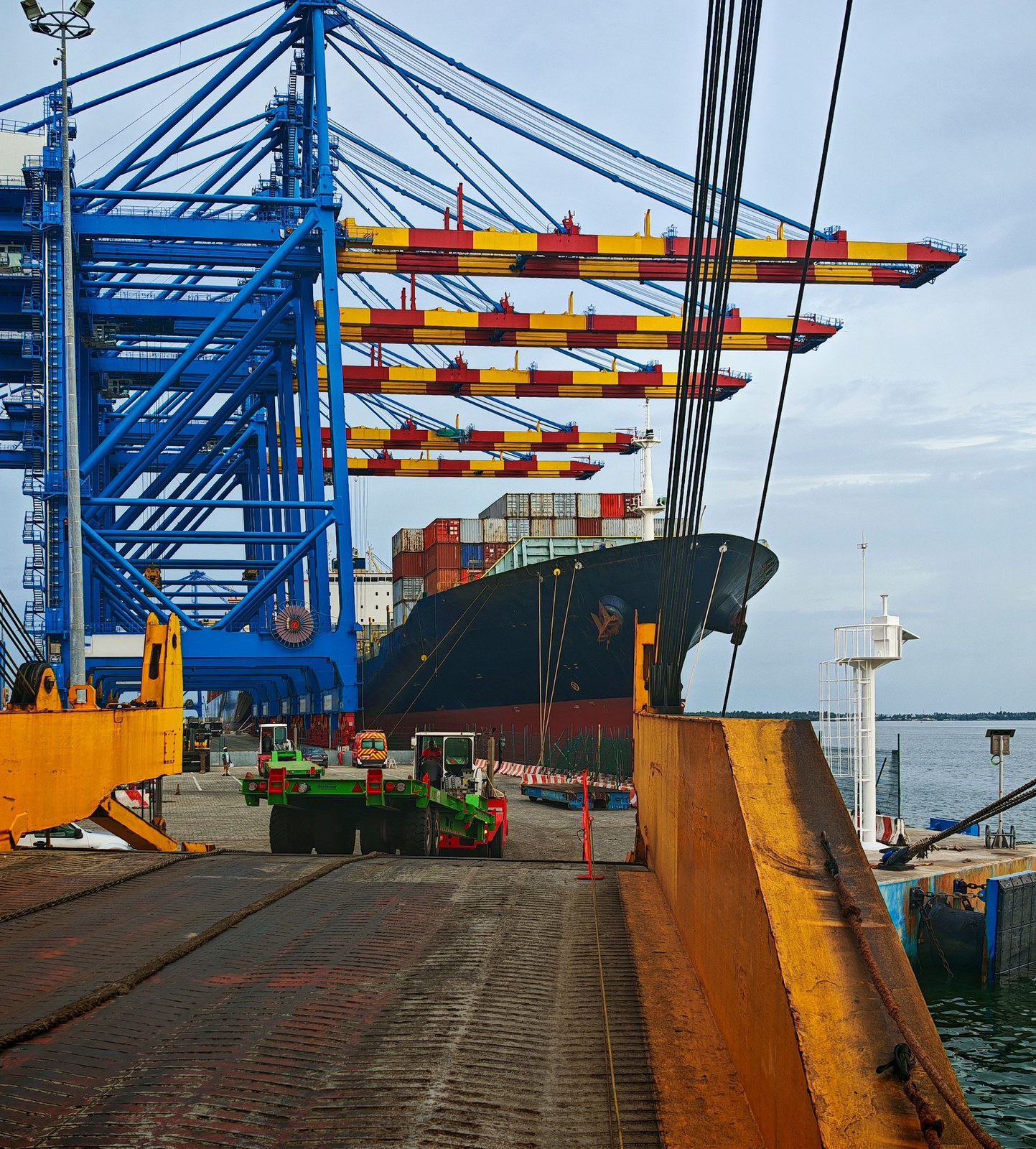
International intervention is necessary because several major multinationals play an important role in Ivorian ports, including Africa Global Logistics, formerly Bolloré Africa Logistics, Maersk and MSC. Interventions within the ITF made further contacts possible. Frank Moreels and Stephen Cotton helped ensure that Bayla Sow, the ITF’s regional representative for West Africa, could hold talks with Africa Global Logistics, Côte d’Ivoire Terminal and the competent authorities, among others.
During those talks, the dockworkers’ problems were placed directly on the table. At the same time, the ITF’s vision was explained: social dialogue between trade unions, employers, multinational companies and governments must be restored and strengthened. This matters enormously. Ports are an economic lifeline for Côte d’Ivoire. But a port cannot operate sustainably when the workers who keep it running do not have access to their legal rights, proper social protection and safe working conditions.
International Solidarity As Leverage
The situation of Ivorian dockworkers shows why international trade union cooperation is indispensable.
Multinational companies organise their activities across borders. Trade unions must therefore do the same.
International solidarity does not replace national negotiations. But it can help restart stalled dialogue, remind employers and governments of their responsibilities and ensure that local workers do not stand alone against powerful international companies.
The ITF’s intervention is an important first step. But the struggle is not over. The 2019 decree must actually be implemented. A new collective agreement must be negotiated. Dockworkers who suffer occupational accidents must be able to count on proper protection and care. The management of their health insurance must also be transparent and serve their interests.
For the dockworkers of Côte d’Ivoire, international solidarity is not a slogan. It is a necessary lever for turning rights that exist on paper into rights that exist in the workplace.