Even before the First World War, the French socialist and trade unionist Jean Jaurès warned against rising nationalism and militarism. He called on workers in all countries not to allow themselves to be set against one another, because in the end ordinary people always pay the price. Shortly afterwards, Jaurès was murdered and Europe plunged into a devastating war that claimed the lives of millions of workers.
In the years that followed, the free trade unions continued to choose peace, dialogue and international solidarity. During the Cold War and the Vietnam War, the International Confederation of Free Trade Unions (ICFTU) spoke out clearly against the arms race and military escalation. Trade unions have always warned that billions invested in weapons come at the expense of social progress, public services and decent work.
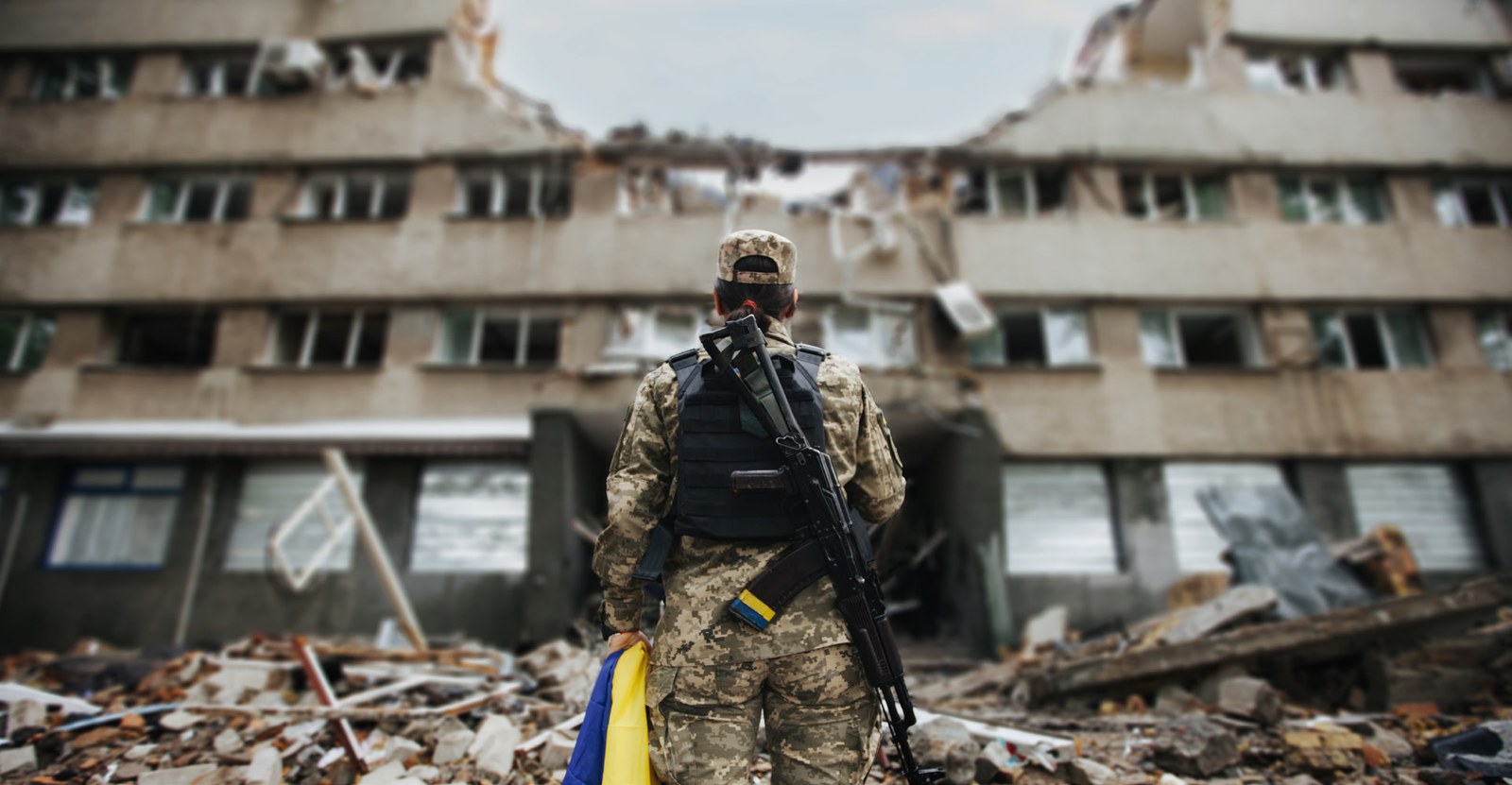
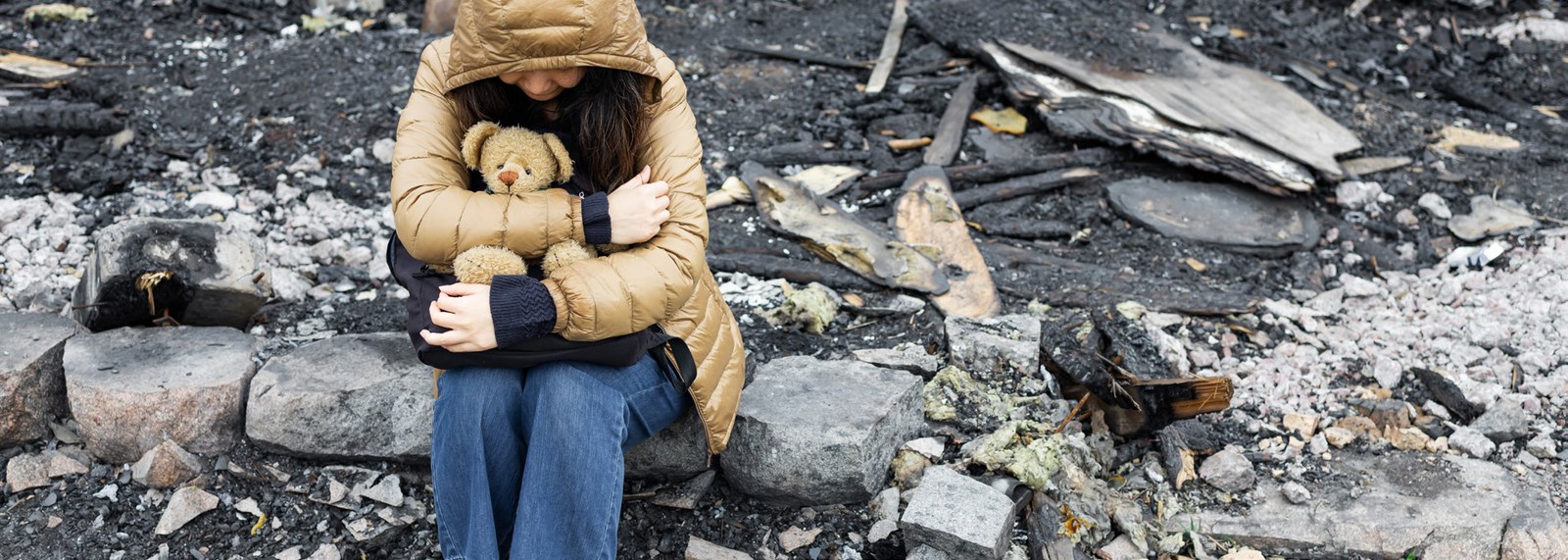
That message remains just as relevant today. According to international research institutions, more than fifty armed conflicts are currently active worldwide, the highest number since the Second World War. From Ukraine to Gaza, from Sudan to Congo, from Myanmar to Yemen: once again, ordinary people and workers are paying the highest price. War brings human suffering, displacement, insecurity and the erosion of social protection.
In an interview with SamPol, former NATO Secretary General Willy Claes warns that the world is entering another dangerous phase of geopolitical tension and nuclear threat. In his view, international cooperation and diplomacy risk losing ground to nationalism, power politics and military confrontation.
The current arms race also poses major risks to workers’ rights and working conditions. In its recent position on the European Militar Mobility Package, the European Transport Workers’ Federation (ETF) warns that militar preparedness must not lead to the erosion of social rights, labour protection and safety rule The ETF points out that, under the guise of ‘crisis’, exceptions may be introduced to drivin and rest times, working conditions and even the right to strike. The further militarisation o society and civilian infrastructure also creates dangerous precedents. Not to mention the vas sums spent on military expenditure - money that is then unavailable for pensions or social rights.
That concern is particularly relevant now that voices in Belgium are calling for the notion of a y permanent ‘crisis situation’ to be broadened in the name of security and defence. Trade unions y must remain vigilant. History teaches us that emergency measures are often introduced s. in the name of security, only to become generalised later, putting social rights and g democratic freedoms under pressure as well. For trade unions, peace is not an abstract ideal. f Without peace there is no democracy, without democracy there is no social dialogue, and t without social dialogue there is no protection for workers. That is why trade unions have historically always opposed nationalism, militarism and the logic of division. They must continue to do so.