We live in an economy in which wealth and economic power are becoming increasingly concentrated. Large corporations and investors can operate globally, while workers’ rights are still too often bounded by national regulation and national labour markets. The International Transport Workers’ Federation, the ITF, is trying to change that balance. Not only by organising workers internationally and bargaining collectively, but also by using the economic power that workers themselves help to build as a trade union lever.
Workers' Capital Is Power Too
Workers indirectly command enormous economic power. Through pension funds and other collective investments, capital is accumulated using money workers earn over the course of their careers. The question is simple: where is that money invested?
Investment is never entirely neutral. It can support companies that respect workers’ rights, create safe jobs and take responsibility for their social and societal impact. But it can just as easily end up in companies whose activities contribute to poor working conditions, violations of trade union rights or opaque corporate governance. That is why the trade union movement must not only negotiate wages and working conditions. It must also seek to influence how workers’ capital is managed. The ITF supports investment models in which human rights, trade union rights, decent work and transparent corporate governance help determine where capital flows. This is not a side issue, but a way of ensuring that economic power built in part by workers is also used in their interests.
Social Responsibility Is Not A Cost Item
That debate becomes even more important as it becomes increasingly clear that social inequality has economic consequences as well. A company may make short-term profits by squeezing labour costs, shifting risks or circumventing social standards. Over the longer term, however, such strategies can lead to unstable labour relations, less resilient businesses and vulnerable supply chains.
Workers’ rights and sustainable economic development are therefore not opposites. A well-trained worker who can work safely, is paid fairly and enjoys fundamental labour rights is not an obstacle to economic development. Quite the contrary. Investors and companies must therefore consider social risks, not only financial figures. Anyone who wants sustainable economic growth must take account of the people who keep the economy running.
Shipping As An Example
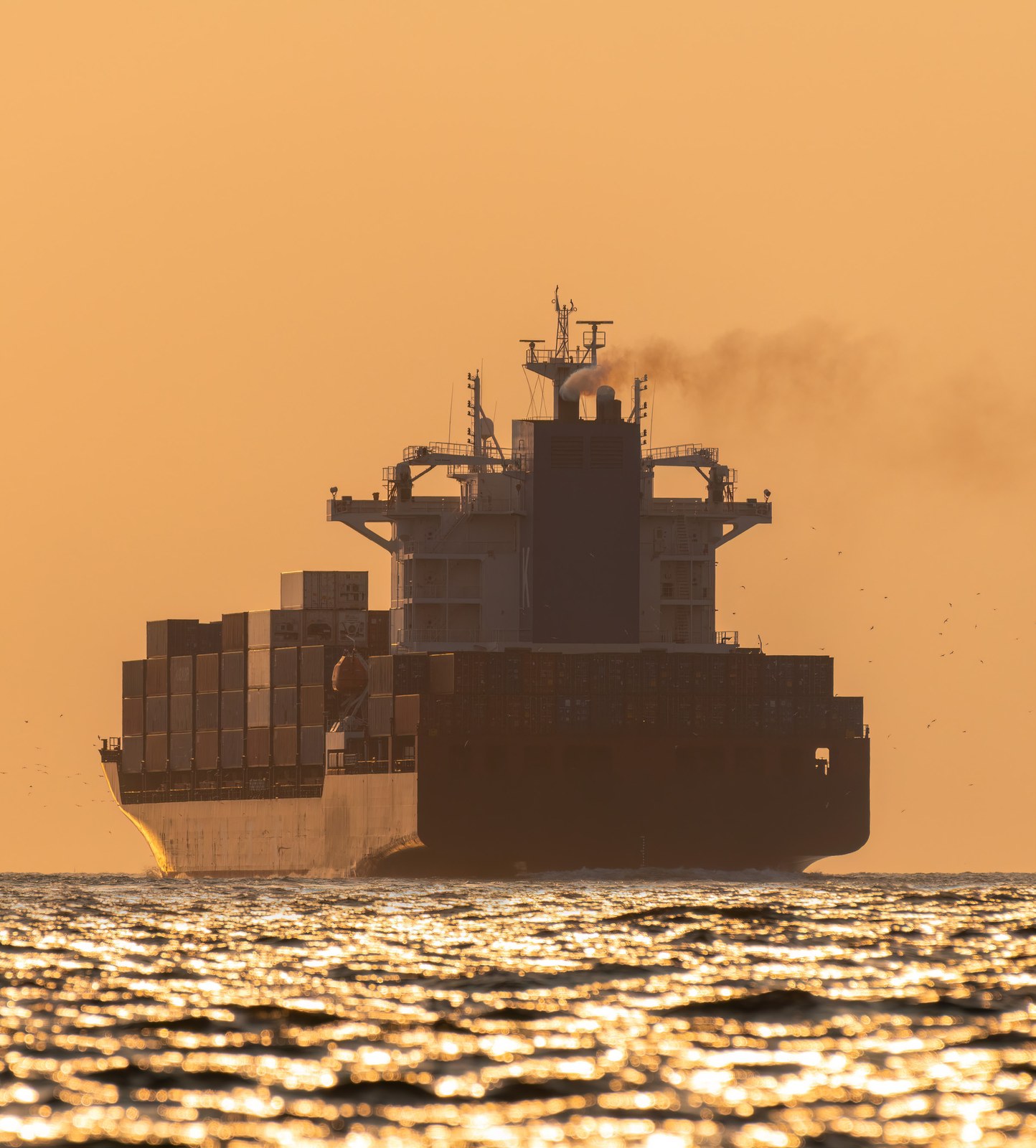
International shipping shows particularly clearly why this debate is necessary. Shipping is indispensable to global trade, but historically the sector has been able to operate with insufficient regulation, limited transparency and inadequate tax responsibility. Even today, serious problems around labour rights and social responsibility remain in parts of the maritime sector and the wider transport industry.
That tension is difficult to sustain. The more essential a company or sector becomes to the global economy, the greater its responsibility to respect clear social standards. Workers must not be seen merely as a cost in the international trade chain. The companies that depend on their labour must also take responsibility for safe working conditions, decent work and fundamental trade union rights. The same applies to the investors that finance those companies.
From Creating Wealth To Helping Decide
The ITF Congress in Marrakech once again affirmed that economic development must be built on workers who are paid fairly, can work safely, are properly trained and are treated equally. But that ambition requires more than regulation alone. Trade unions must also build influence wherever economic decisions are made: in companies, in international institutions and in the world of investment.
Workers create the wealth. Through their pension funds and other forms of workers’ capital, they also help finance large parts of the economy. It is therefore only logical that they should have a say in what kind of economy is built with that money. Is capital used to support business models that increase inequality and put labour rights under pressure? Or do we use that economic power to make companies more responsible, sustainable and socially minded? For me, that is an essential part of modern trade union power. The international trade union movement must not only react to economic decisions made by others; it must also try to help shape those decisions.
Because workers do not only create the wealth. They should also have a voice in where that wealth goes.